Explore
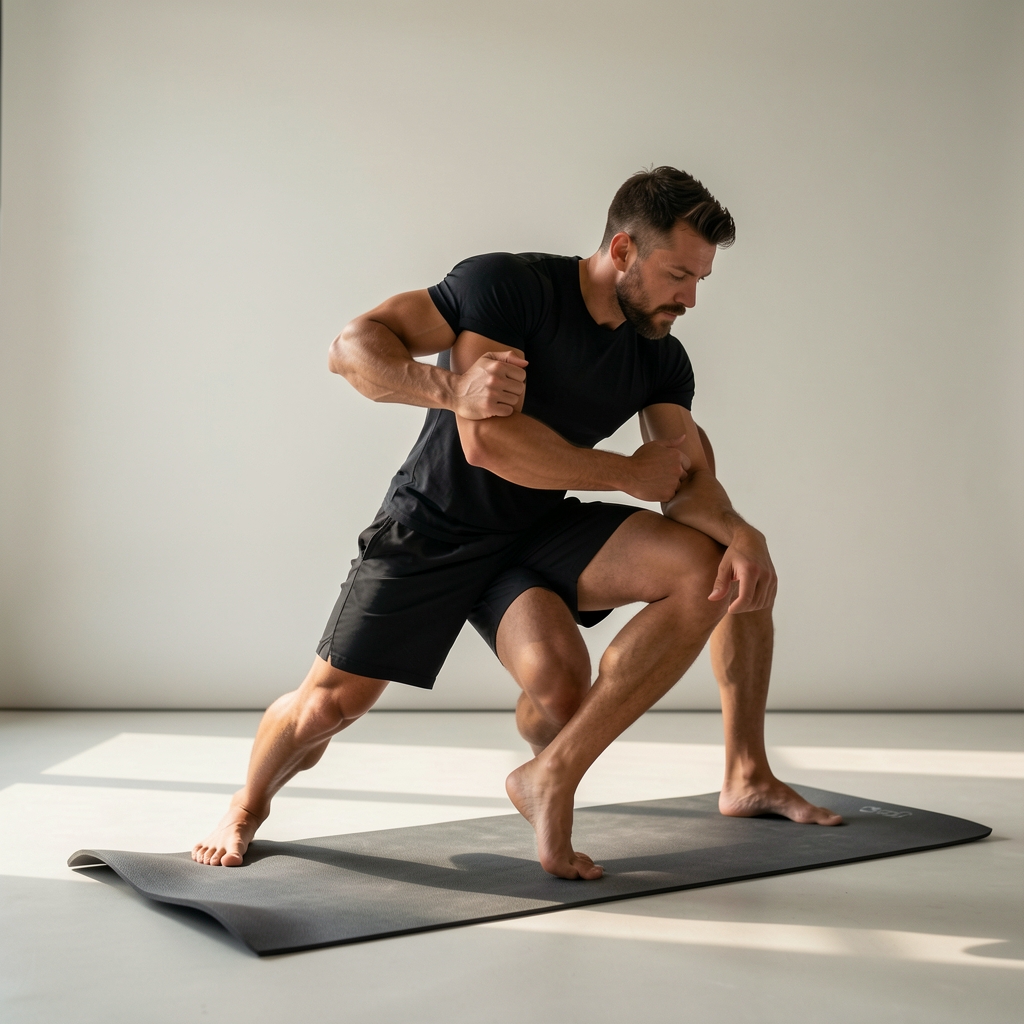
Move slowly through a comfortable range and notice where control changes.
Observation is more useful when it is repeatable and not forced.
Useful movement combines available range, strength, balance and confidence.
Range is only one part of a movement conversation. A position may be available when passive, but harder to use under load, at a particular speed or while breathing comfortably. Primula describes these distinctions so readers can observe without rushing to label them.

Move slowly through a comfortable range and notice where control changes.
Observation is more useful when it is repeatable and not forced.
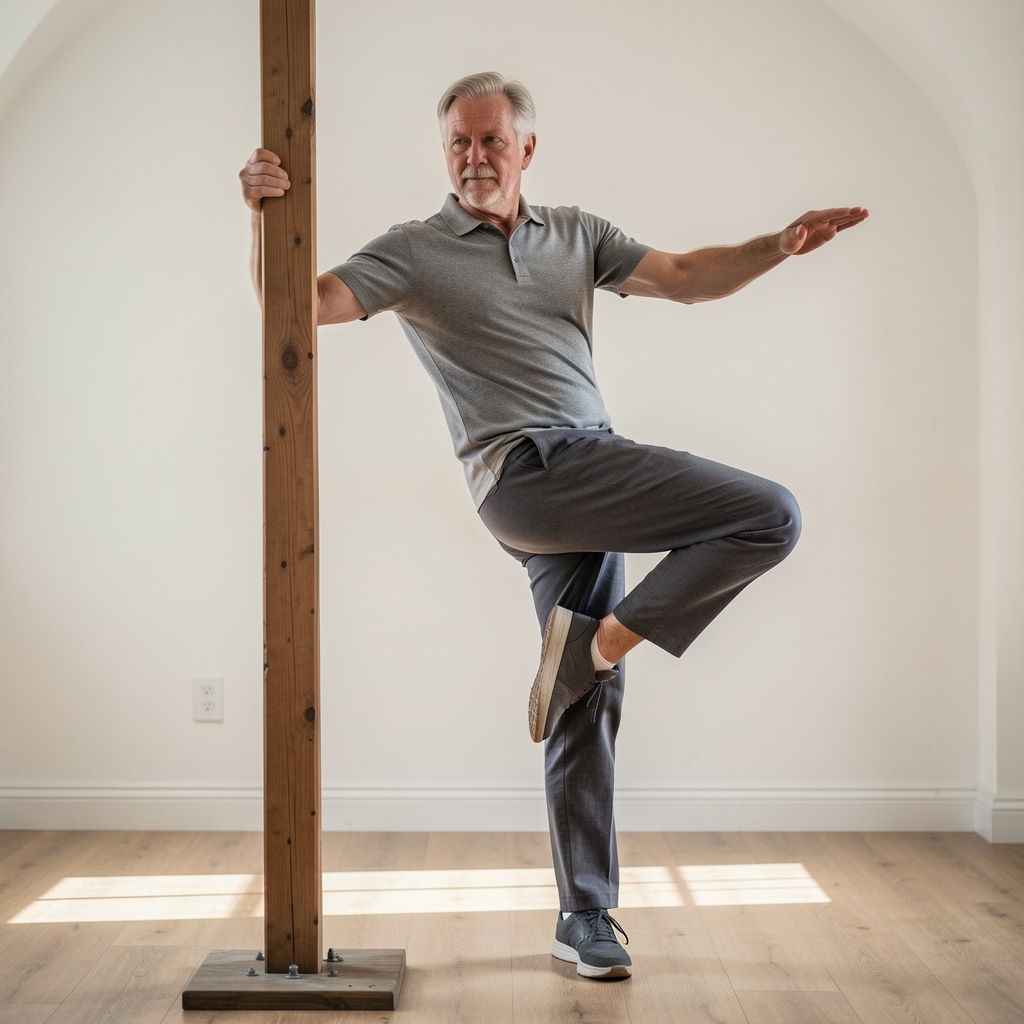
Use light resistance to connect range with strength and stability.
The aim is to understand the position, not to chase a dramatic sensation.
Bring the quality into lifting, walking, carrying and everyday positions.
A movement becomes meaningful when it relates to a task you actually perform.
| Observation | Question | Practical context |
|---|---|---|
| Range | Where does the position change? | Compare sides without forcing symmetry |
| Control | Can the position be held or repeated? | Use a slower pace and light load |
| Transfer | Does it help a real task? | Notice walking, reaching or carrying |
“Mobility becomes practical when range and attention meet a task.”— Primula movement notesOpen assessment notes