Movement Journalism & Research

EDITORIAL INSIGHTS & FIELD RESEARCH

Investigative writing, force-plate telemetry, and biomechanical breakdowns examining human locomotion, stride cadence, and tissue resilience.

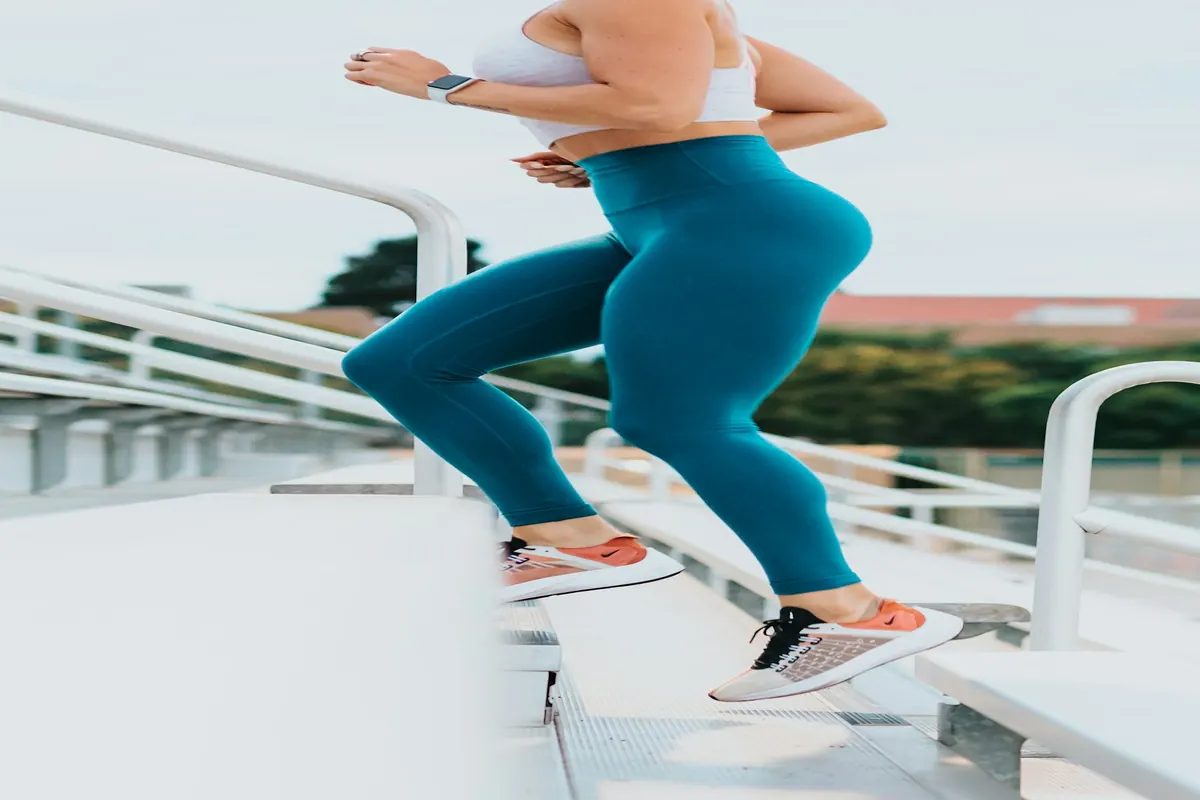
Runner climbing stairs with efficient cadence
Cadence Science • Published: Oct 2023 | Last Reviewed: Jan 2026

The Biomechanics of Effortless Stride: Why Cadence Beats Force

How shortening ground contact time by 18 milliseconds attenuates tibial shock and transforms running economy across prolonged endurance cycles.

Our analysis demonstrates that increasing stride frequency from 158 to 174 steps per minute shifts mechanical loading away from patellofemoral joints directly into the elastic fascial network of the lower leg.

By Marcus Vance • Movement Director • Ref: #NF-INS-2023-01

Athlete performing active mobility stretch
Active Restoration • Published: May 2022 | Last Reviewed: Feb 2026

Converting Mechanical Load into Elastic Tendon Resilience

A deeper look into collagen synthesis, lymphatic drainage, and why light dynamic walks outshine total immobility following intense training.

Passive recovery frequently delays tissue fluid turnover. Controlled eccentric loading protocols stimulate tenocyte signaling, reinforcing tendon cross-sectional integrity without creating systemic neuro-muscular fatigue.

By Elena Rostova • Biomechanics Lead • Ref: #NF-INS-2022-04
Movement specialist demonstrating posture alignment
Desk Ergonomics • Published: Nov 2021 | Last Reviewed: Jan 2026

Everyday Movement Architecture: Counteracting Desk Compression

Specific thoracic extension routines and standing breaks that recalibrate cervical spine angles during high-focus desk hours.

Sedentary work postures produce up to 140% higher intradiscal pressures than relaxed standing. Simple 90-second axial decompression sequences rehydrate intervertebral discs and restore natural lordosis.

By David Sterling • Ergonomics Fellow • Ref: #NF-INS-2021-08
Telemetry & Empirical Findings

CADENCE LOAD DISTRIBUTION MATRIX

Empirical measurements gathered from our Marylebone force plate testing laboratory comparing overstriding kinematics against calibrated stride cadence.

Kinematic Parameter Low Cadence (152–160 SPM) Optimal Cadence (172–182 SPM) Structural Impact
Ground Reaction Force Peak 2.8 × Body Weight 2.1 × Body Weight 25% reduction in skeletal shock impulse
Vertical Center-of-Mass Oscillation 8.4 – 10.2 cm 5.6 – 6.4 cm Preserves forward metabolic propulsion
Ground Contact Time (GCT) 255 – 280 milliseconds 195 – 215 milliseconds Engages tendon elastic recoil spring
Patellofemoral Joint Stress High shear loading Low axial distribution Protects cartilage across high mileage
Editorial Principle // Excerpt
“Gait efficiency is rarely achieved by generating greater muscular horsepower. True movement mastery lies in the rhythmic cadence that harmonizes ground reaction forces with elastic tendon elasticity.”
— Marcus Vance, Movement Director at PRIMULASH PERFORMANCE LABS LTD
Monograph Archive & Standards

INDEPENDENT EDITORIAL OVERSIGHT

Every article published within our Insights portal is authored by resident researchers and audited under our formal Editorial Policy (Standard #NF-EP-2026). Content incorporates empirical force plate metrics, optical 3D motion tracking records, and kinematic analyses conducted at our Marylebone facility.

  • Cadence Telemetry Dataset: Multi-sensor stride data compiled across 140 competitive and recreational runners.
  • Postural Lordosis Trials: Ambulatory and seated spinal curvature analyses conducted over 12-month observational periods.

Readers and independent movement educators may request full unredacted laboratory data packets or submit technical feedback by transmitting a query directly to our editorial board at our Marylebone methodology desk.