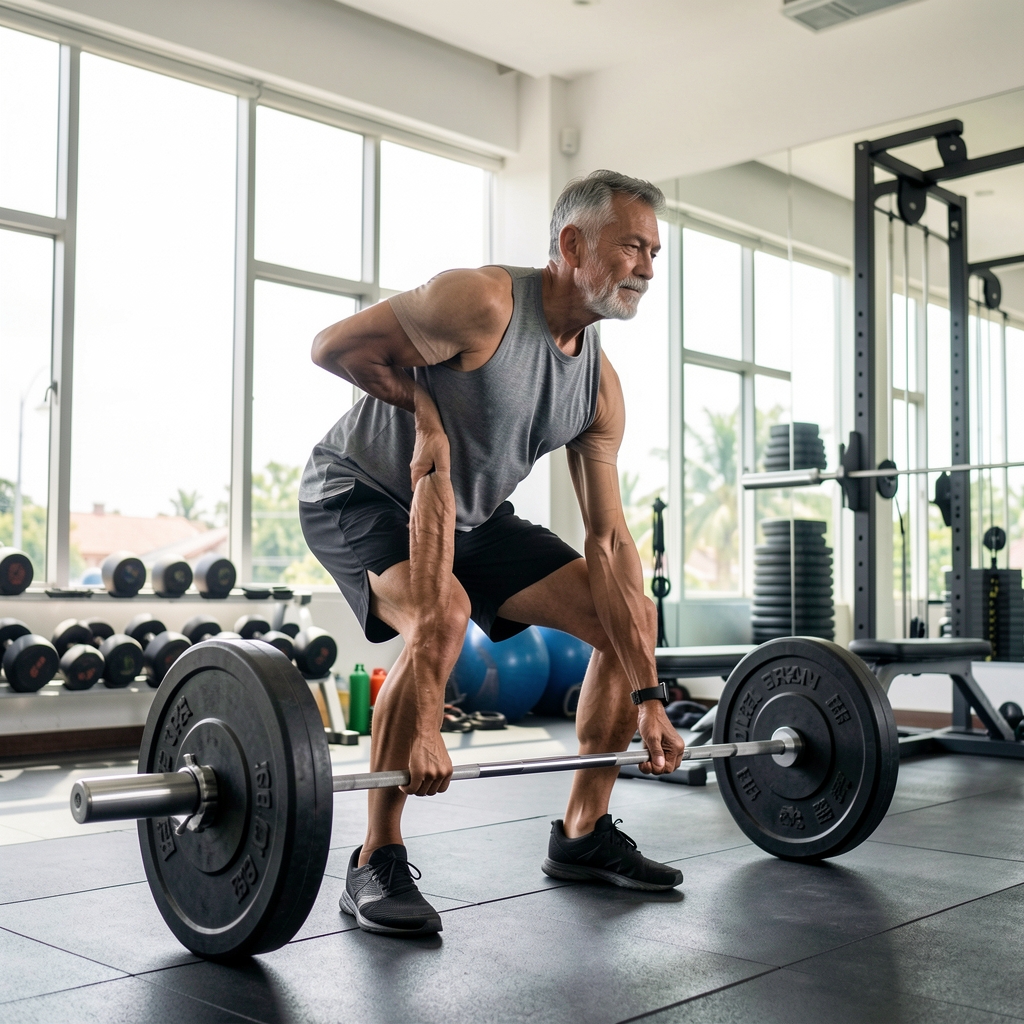
Strength with context
Learn how progressive loading, tendon tolerance and technique can work together without turning every session into a test of will.
Explore training →Deep, practical reading on physiology, cardiovascular endurance and functional fitness for men building a durable relationship with movement.
Read our approach“Training maturity is not a retreat from ambition; it is a clearer way to direct it.”
— Primula editorial desk
Learn how progressive loading, tendon tolerance and technique can work together without turning every session into a test of will.
Explore training →
Understand aerobic base work, intervals, pacing and recovery through the lens of changing schedules and responsibilities.
Read endurance notes →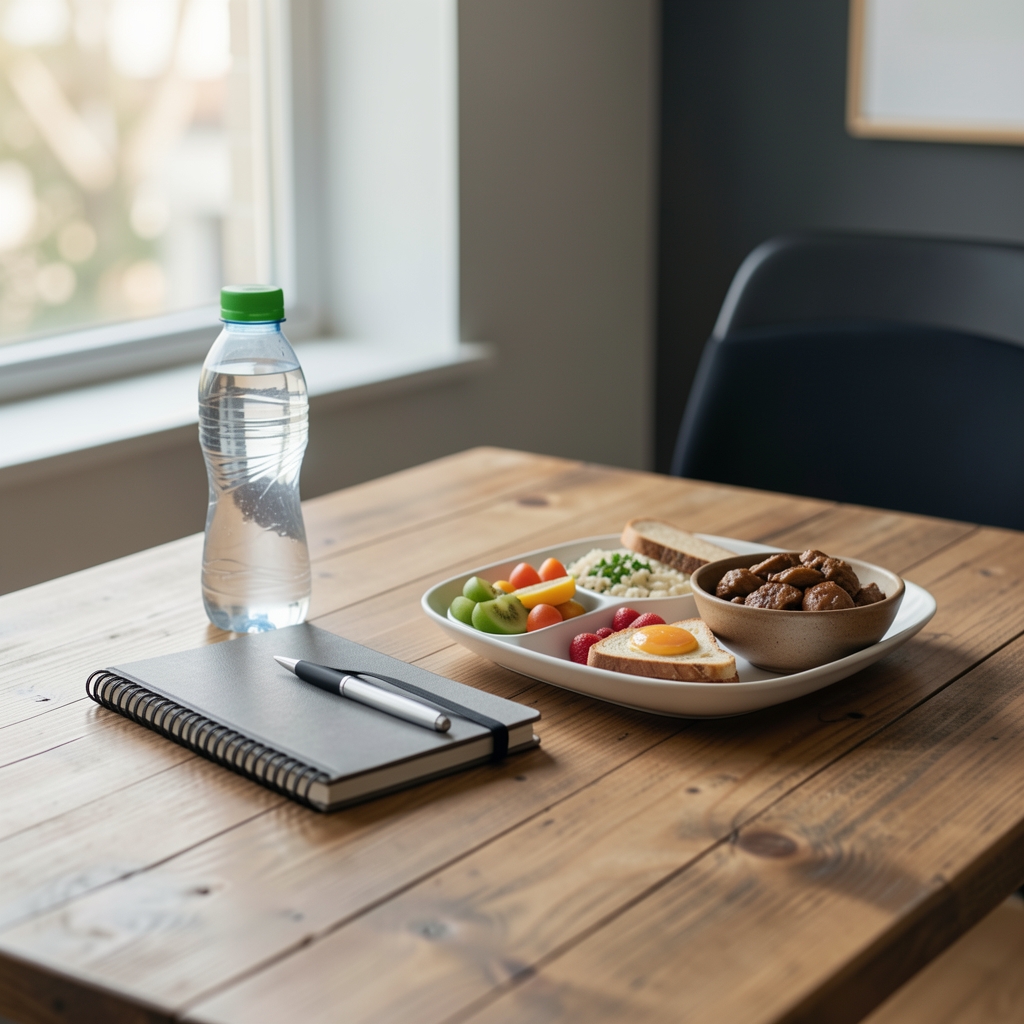
Sleep, nutrition, mobility and stress signals offer useful feedback about how the body is responding to training.
Open recovery guide →
Primula sits between competitive sport culture and everyday wellbeing. Our articles explain mechanisms without pretending that one routine fits every body, job or family.
We discuss evidence, uncertainty and the practical decisions that make a program sustainable: how hard to train, when to hold back, and what to observe over several weeks.
How we research| Focus | Typical emphasis | Useful question |
|---|---|---|
| Strength | Controlled compound patterns and technique | Can the movement stay consistent? |
| Endurance | Easy aerobic work with occasional faster efforts | Can conversation remain comfortable? |
| Mobility | Range paired with control and breathing | Does the position feel repeatable? |
| Recovery | Sleep, food, rest and lower-load days | What does the next morning suggest? |
Start with training history, available time, movement preferences and the signals that are already present.
Choose a small number of repeatable sessions and give each one a clear purpose within the week.
Compare notes over several weeks, then adjust volume, intensity or recovery rather than changing everything at once.
“A mature program is not defined by how crowded the calendar looks, but by how clearly each session belongs there.”— Primula editorial note, 2026
“The quiet details—pace, posture, sleep and attention—often make the loudest difference to consistency.”— Field notes on functional fitness
“Progress can be measured in better decisions as well as heavier weights or longer distances.”— From the Primula reading room
Usually the quality of planning matters more than a single age milestone. Consider sleep, training history, work stress and recovery capacity together.
Use a mix of manageable easy work and occasional focused efforts, with the overall rhythm shaped around real commitments.
A short record of effort, mood, sleep and next-day response can reveal patterns that memory tends to blur.
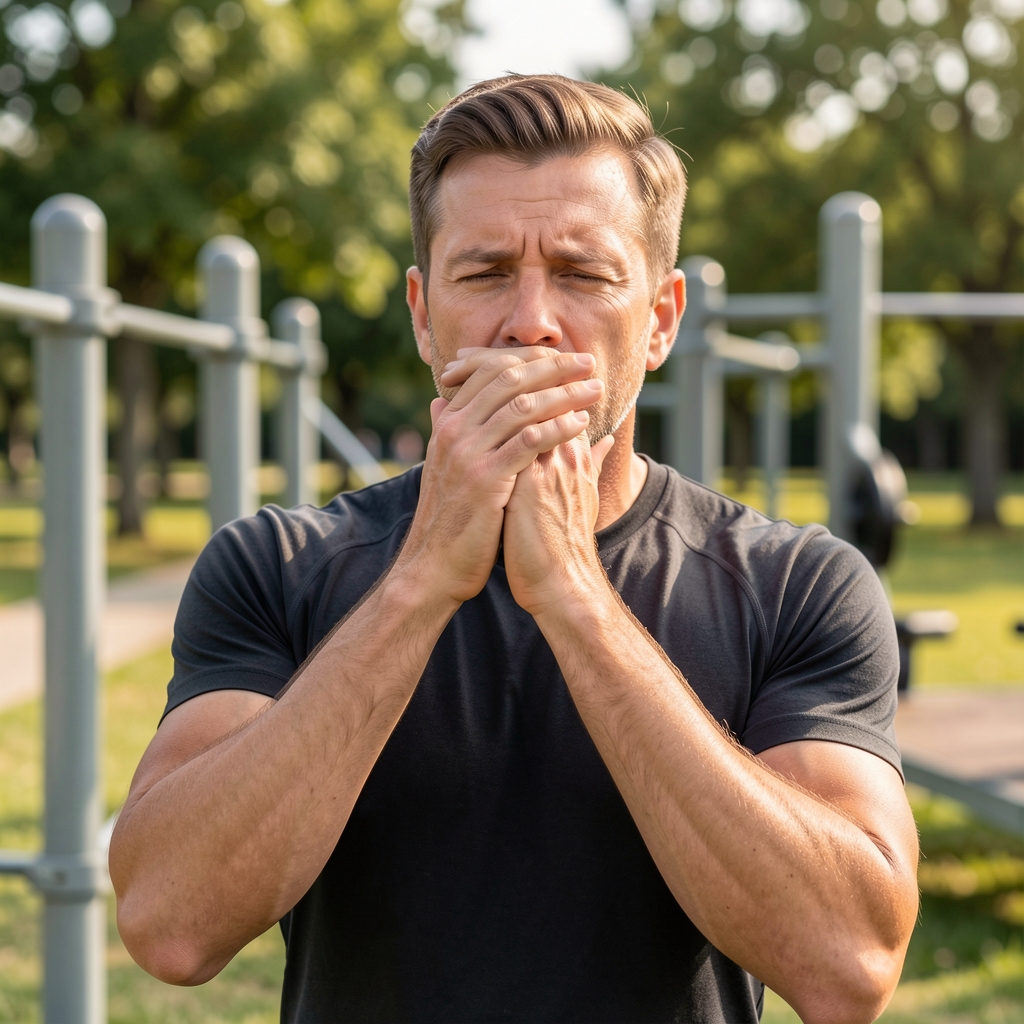
Published 12 September 2026 · An editorial look at conversational pace and accumulated volume.
Read the journal →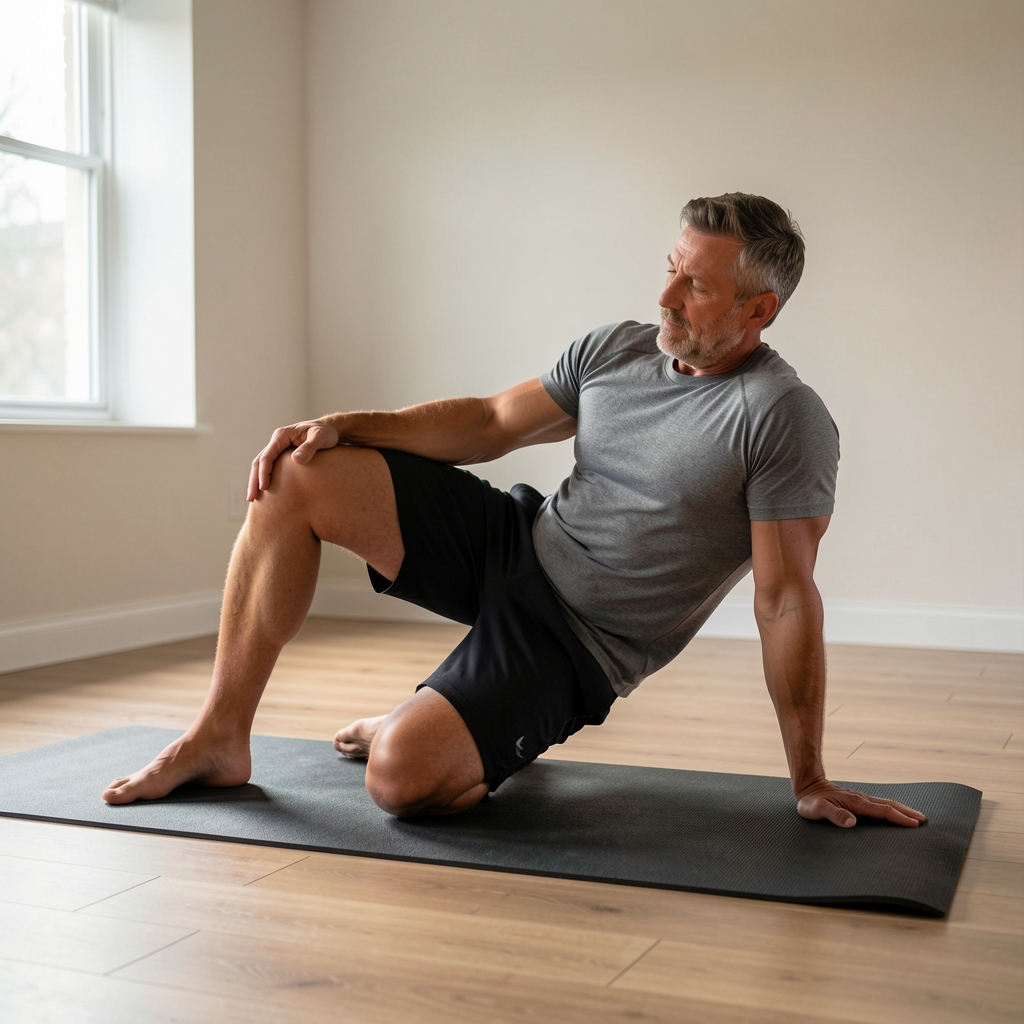
Published 28 August 2026 · A glossary for range, control, tempo and tolerance.
Browse resources →Primula brings together writers, coaches and careful readers who share an interest in clear language, responsible context and the everyday practice of movement.

Sources are checked for clarity, scope and relevance before an article reaches the journal.

Different schedules and training histories keep the conversation grounded in ordinary life.
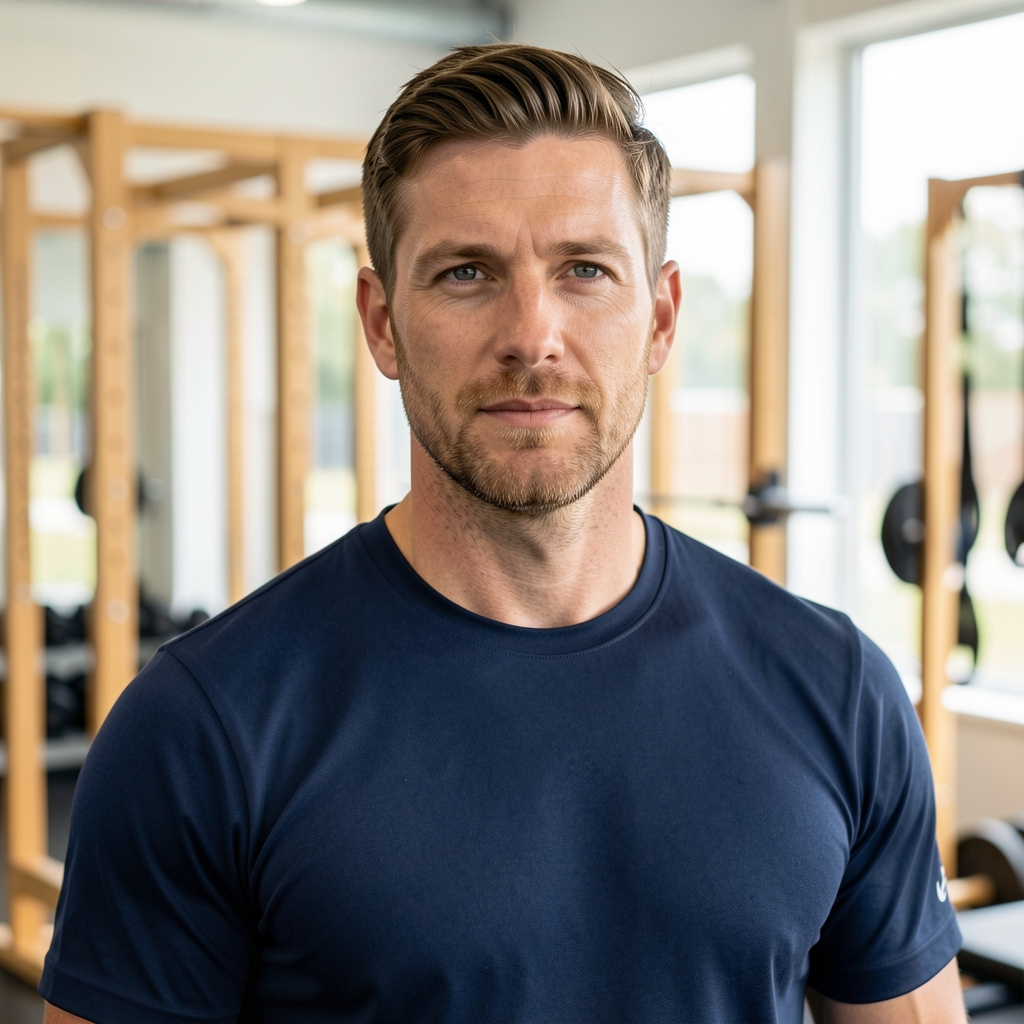
Technical ideas are turned into questions and observations readers can use responsibly.
Explore a calm library for adult athletic development, with clear boundaries around medical advice and commercial claims.
Visit the resource desk